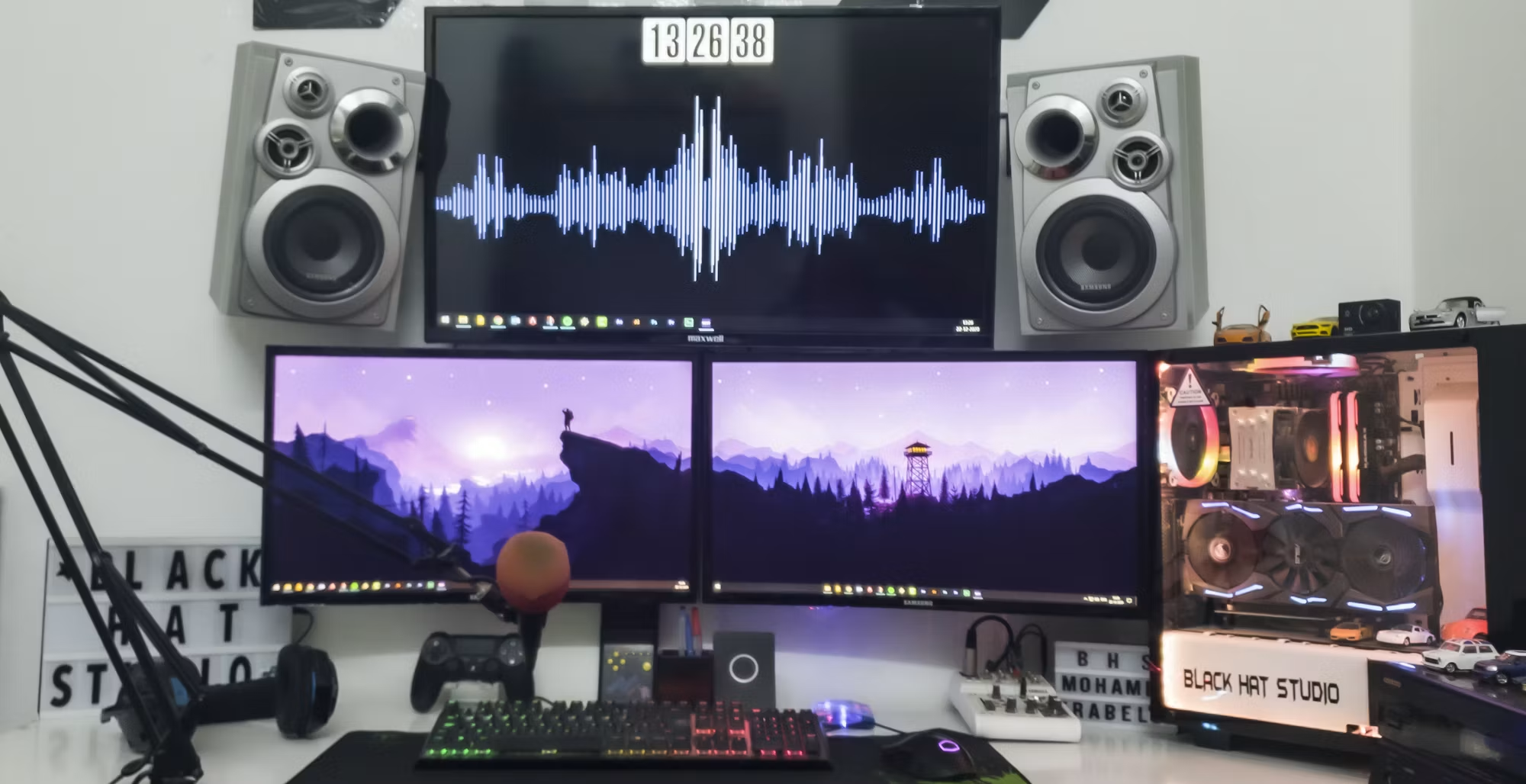
The Enduring Charm of Card Games: From Tradition to Innovation

The Enduring Charm of Card Games: From Tradition to Innovation

Card games have a unique ability to bring people together, fostering social interaction and friendly competition. With roots that stretch back centuries, these games have evolved significantly, adapting to cultural changes and technological advancements. This article examines the history, mechanics, and cultural significance of card games, as well as the innovative trends that are shaping their future.

The origins of card games can be traced to the Tang dynasty in China, where they are believed to have first emerged around the 9th century. From China, the concept of playing cards spread to Persia, and eventually to Europe by the late 14th century. The earliest known European decks were inspired by the Mamluk cards of Egypt and featured four suits: cups, swords, coins, and polo sticks. As card games gained popularity across Europe, regional variations developed, leading to the standard deck we recognize today.

Classic card games like Poker, Bridge, and Rummy have stood the test of time, each offering unique mechanics and strategic elements. Poker, with its blend of skill and chance, has become synonymous with gambling culture. Variants such as Texas Hold’em and Omaha have further popularized the game, drawing in players from all walks of life. Bridge, often considered the pinnacle of card strategy, has cultivated a dedicated following, with national and international tournaments showcasing the game’s complexities. Rummy, on the other hand, emphasizes melding and grouping cards, making it accessible to players of all ages.

While traditional card games remain popular, the digital revolution has transformed how we engage with cards. Online platforms and mobile applications have made it possible for players to enjoy their favorite card games anytime and anywhere. Services like PokerStars and Bridge Base Online allow players to connect with others globally, offering a new level of accessibility and competition. Mobile apps like Hearthstone and Gwent have introduced card mechanics into the realm of digital gaming, blending strategic card play with engaging narratives and immersive environments.

The rise of esports has also impacted the card game genre, with competitive tournaments drawing significant attention. Games like Magic: The Gathering Arena and Legends of Runeterra have created vibrant competitive scenes, allowing players to showcase their skills on a grand stage. These events not only celebrate the strategic depth of card games but also cultivate communities that thrive on camaraderie and shared passion.

The cultural significance of card games cannot be overstated. They have long been a staple in social gatherings, family reunions, and casual hangouts. The simple act of gathering around a table to play cards fosters communication, bonding, and a sense of community. In many cultures, specific card games carry historical significance, often passed down through generations. For example, Mahjong, a game of skill and strategy originating from China, is deeply rooted in social customs and is often played during family gatherings and festive occasions.

In recent years, the inclusivity of card games has become a focal point. Many game designers are actively working to create games that reflect diverse perspectives and experiences. Titles like The Crew and Just One encourage cooperative play and emphasize communication, making them accessible and engaging for players of all backgrounds. This shift toward inclusivity not only enriches the gaming experience but also broadens the appeal of card games to a more diverse audience.

The rise of hybrid games is another exciting trend in the card game landscape. These games combine traditional card mechanics with elements from other genres, such as board games or role-playing games. Unstable Unicorns and Exploding Kittens are excellent examples of this innovation, offering humorous and engaging gameplay that attracts a wide range of players. These hybrid games have brought a fresh perspective to card gaming, making it more appealing to younger audiences and casual gamers.

As technology continues to advance, the future of card games looks promising. The potential for augmented reality (AR) and virtual reality (VR) applications could redefine the way players interact with cards. Imagine participating in a virtual card tournament where players from around the world can compete in immersive environments, bringing a new level of excitement to traditional gameplay. This convergence of technology and traditional gaming has the potential to attract a new generation of players, ensuring that card games remain relevant in a rapidly changing landscape.

In conclusion, card games have a rich history that reflects cultural evolution and social interaction. From classic games that have entertained generations to innovative digital adaptations and hybrid formats, the genre continues to thrive. As card games evolve to embrace inclusivity and technological advancements, they will undoubtedly remain a beloved pastime for players around the world. Whether gathered around a table with friends or engaged in online competitions, the enduring charm of card games lies in their ability to bring people together and spark joy through strategic play.


Exploring the Impact of Esports: A New Era of Competitive Gaming

Exploring the Impact of Esports: A New Era of Competitive Gaming

Esports, or competitive gaming, has emerged as a powerful force in the world of entertainment, captivating millions of fans worldwide. With a blend of skill, strategy, and teamwork, esports competitions have evolved from casual matches among friends to organized events with large audiences and substantial prize pools. This article delves into the impact of esports, exploring its cultural significance, growth, and the way it has transformed the perception of gamers.

The Rise of Esports

The journey of esports began in the late 1970s and early 1980s, with simple gaming competitions that attracted a small group of participants and viewers. However, it wasn’t until the late 1990s and early 2000s, with the rise of online gaming and streaming platforms, that esports gained significant traction. Games like “StarCraft” and “Counter-Strike” helped lay the groundwork for organized competitive gaming, fostering a community of players and fans eager to watch and participate.

As technology advanced, so did the opportunities for esports to flourish. The launch of platforms like Twitch in 2011 revolutionized the way gamers could share their experiences with others. Streaming allowed players to broadcast their gameplay to a global audience, creating a new level of engagement and interaction between players and fans. This newfound accessibility contributed to the rapid growth of the esports industry, leading to increased sponsorship deals and major tournaments.

Cultural Significance and Community Building

Esports has transcended mere competition to become a cultural phenomenon. It fosters a sense of community among players and fans, providing a platform for social interaction and connection. Online forums, social media, and streaming services have created spaces where fans can discuss strategies, share highlights, and connect with others who share their passion for gaming.

Furthermore, esports has broken down traditional barriers, attracting diverse audiences and participants. Players from various backgrounds and demographics have found their place in this burgeoning industry. This inclusivity contributes to the richness of the esports community, promoting collaboration and camaraderie among players and fans alike. Esports events often celebrate this diversity, showcasing talent from around the globe and highlighting the unity found in shared interests.

The Evolution of Professionalism

As esports has grown, so too has the level of professionalism within the industry. Teams and players are now treated similarly to traditional athletes, with rigorous training schedules, coaching staff, and support systems. Many professional gamers dedicate themselves full-time to their craft, honing their skills and strategies to compete at the highest levels.

Major tournaments, such as The International for “Dota 2” and the League of Legends World Championship, have attracted millions of viewers and offered multi-million dollar prize pools. These events are comparable to traditional sporting events, complete with stadiums filled with fans, elaborate production values, and extensive media coverage. This shift in perception highlights the legitimacy of esports as a competitive discipline, garnering recognition from mainstream media and traditional sports organizations.

Challenges and Controversies

Despite its rapid growth, the esports industry faces challenges and controversies that need to be addressed. Issues such as player burnout, mental health, and performance-enhancing substances have raised concerns among fans and stakeholders. As players compete at high levels, the pressure to perform can lead to stress and mental fatigue, underscoring the importance of mental health support within the industry.

Additionally, the lack of standardized regulations and governing bodies poses challenges for fair play and player rights. As the esports landscape evolves, establishing clear guidelines and protections for players will be crucial to ensuring a sustainable future for competitive gaming.

The Future of Esports

Looking ahead, the future of esports appears bright, with continued growth and innovation on the horizon. As technology advances, we can expect to see new opportunities for immersive experiences, such as virtual reality (VR) and augmented reality (AR) in esports. These technologies could revolutionize how players and fans interact with games, offering unique ways to experience competitions and enhance gameplay.

Moreover, the integration of esports into educational institutions has gained momentum, with many schools and universities establishing esports programs. These initiatives not only promote gaming as a legitimate pursuit but also provide students with valuable skills such as teamwork, strategic thinking, and leadership. The inclusion of esports in academia reflects a growing recognition of the potential benefits of competitive gaming, both for personal development and future career opportunities.

Esports is also expanding its reach into traditional sports, with collaborations between esports organizations and established sports leagues. This crossover enhances the visibility of esports, attracting new fans and creating exciting opportunities for collaboration and growth.

Conclusion

Esports has transformed the gaming landscape, reshaping the way we perceive competition and community within the digital realm. As it continues to grow, esports will undoubtedly leave a lasting impact on culture, providing a platform for players and fans to connect, compete, and celebrate their shared passion. With its increasing professionalism, inclusivity, and potential for innovation, the future of esports is filled with possibilities, making it an exciting era for competitive gaming enthusiasts around the world.

Exploring the World of Esports: A New Frontier in Competitive Gaming

Exploring the World of Esports: A New Frontier in Competitive Gaming

Esports, or electronic sports, has surged in popularity over the past decade, transforming from a niche hobby into a global phenomenon. This evolution reflects broader changes in how we engage with video games, as well as the growing recognition of gaming as a legitimate form of competition. In this article, we will explore the rise of esports, its impact on the gaming industry, and the vibrant community that has developed around competitive gaming.

At its core, esports refers to organized, multiplayer video game competitions, often between professional players or teams. These competitions can take various forms, including tournaments, leagues, and exhibitions. The range of games played in esports is vast, encompassing genres such as first-person shooters (FPS), real-time strategy (RTS), multiplayer online battle arenas (MOBAs), and sports simulations. Titles like League of Legends, Dota 2, Counter-Strike: Global Offensive, and Fortnite have become synonymous with the esports scene, attracting millions of viewers and participants worldwide.

The growth of esports can be attributed to several factors. First, the accessibility of gaming has dramatically increased due to the proliferation of high-speed internet and affordable gaming hardware. This accessibility allows more players to engage in competitive gaming, fostering a sense of community and camaraderie among enthusiasts. Additionally, the rise of streaming platforms like Twitch and YouTube Gaming has enabled players to showcase their skills to a global audience, further fueling interest in competitive gaming.

Streaming has played a crucial role in elevating the status of esports. Fans can watch their favorite players and teams compete in real-time, experiencing the excitement and drama of high-stakes matches from the comfort of their homes. These platforms have also provided a means for gamers to interact with their audiences, building personal brands and establishing fan bases. As streamers gain popularity, they often transition into professional esports players, blurring the lines between casual gaming and professional competition.

The financial backing of esports has also seen a remarkable rise, with sponsorship deals, advertising revenue, and merchandise sales contributing to the industry’s growth. Major companies, including traditional sports teams, have invested in esports organizations, recognizing the potential for profit in this burgeoning market. This influx of capital has allowed esports teams to attract top talent, provide better training facilities, and participate in prestigious tournaments with substantial prize pools.

Esports events have become grand spectacles, reminiscent of traditional sports competitions. Major tournaments often fill arenas with thousands of fans, and championship matches are broadcasted to millions online. The excitement surrounding events like The International (Dota 2), the League of Legends World Championship, and the Overwatch League showcases the passion of the esports community and the dedication of its players.

Moreover, esports has inspired the creation of educational programs and institutions dedicated to nurturing the next generation of competitive gamers. Universities and colleges are beginning to offer esports scholarships, recognizing the skills and dedication required to excel in competitive gaming. These programs not only provide financial assistance but also help to legitimize esports as a viable career path for aspiring gamers.

However, the rapid growth of esports has also raised some challenges. One of the primary concerns is the mental and physical health of players. The demanding nature of professional gaming, including long practice hours and high-pressure competitions, can lead to burnout and stress. Many organizations are now prioritizing player wellness, implementing measures such as mental health support, regular breaks, and physical fitness programs to ensure that players maintain a healthy balance between their gaming careers and personal lives.

Additionally, the esports industry is still navigating issues related to inclusivity and diversity. While progress has been made, there remains a significant gender gap in competitive gaming, with women often underrepresented in professional scenes. Organizations and initiatives aimed at promoting inclusivity and diversity in esports are gaining momentum, striving to create welcoming environments for all players, regardless of their backgrounds. Increasing the representation of women and marginalized communities in esports is essential for fostering a more diverse and vibrant gaming culture.

Looking ahead, the future of esports appears bright, with continued growth and innovation on the horizon. As technology evolves, we can expect to see advancements in virtual reality (VR) and augmented reality (AR) gaming, opening up new possibilities for competitive gameplay. These technologies could enhance the immersive experience of esports, providing players with unique opportunities to showcase their skills in entirely new ways.

Furthermore, the integration of artificial intelligence (AI) in gaming may lead to smarter opponents and more dynamic game environments. AI-driven systems could create personalized training regimens for players, helping them to refine their skills and strategies. This kind of technological advancement would further elevate the level of competition in esports, ensuring that players are always pushed to improve.

As esports continues to grow, it is also likely to attract more mainstream attention from traditional media outlets. The potential for crossover events, where established athletes from traditional sports participate in esports competitions, could further bridge the gap between gaming and sports culture. This blending of worlds may result in increased recognition and validation for competitive gaming as a legitimate sport.

In conclusion, esports has emerged as a dynamic and influential force within the gaming industry. Its rise reflects not only the changing landscape of gaming but also the growing recognition of gaming as a serious competitive endeavor. As the community continues to evolve, fueled by advancements in technology and a passion for competition, the future of esports promises to be an exciting journey for players and fans alike. The world of esports is not just a trend; it is a new frontier in the realm of competitive entertainment, shaping the way we view and engage with games for years to come.

Exploring the World of Game Narratives: Storytelling in Interactive Media

Exploring the World of Game Narratives: Storytelling in Interactive Media

In the realm of interactive entertainment, storytelling has emerged as a fundamental element that elevates video games beyond mere play. A compelling narrative can transform a gaming experience, offering players not just challenges to overcome, but emotional journeys to embark upon. This article delves into the significance of storytelling in video games, exploring how narratives enhance engagement, shape player experiences, and evolve alongside technology.

The Importance of Narrative in Games

At its core, narrative in video games refers to the way stories are constructed and presented within the gameplay. Unlike traditional media such as films or books, video games offer a unique platform where players can actively participate in the story. This interactivity allows for a more immersive experience, as players can influence outcomes and explore various facets of the narrative.

Narratives in games serve several vital functions. They provide context and motivation for gameplay, helping players understand their goals and the stakes involved. Games like The Witcher 3: Wild Hunt exemplify this, as players assume the role of Geralt, whose decisions shape the world and its inhabitants. Such narratives not only engage players but also create a sense of agency and investment in the outcome of the story.

Types of Narrative Structures

Video game narratives can take many forms, each offering different ways for players to engage with the story. Linear narratives follow a predetermined path, guiding players through a series of events. This structure is common in many single-player games, where the story unfolds in a controlled manner, ensuring that players experience the narrative as intended by the developers.

On the other hand, branching narratives provide players with choices that impact the story’s direction. This approach can lead to multiple endings, encouraging replayability as players explore different paths and outcomes. Games like Detroit: Become Human showcase this style, allowing players to make moral decisions that significantly affect the storyline and character relationships.

Additionally, emergent narratives arise from gameplay mechanics and player interactions. In sandbox games like Minecraft, stories often develop organically based on players’ actions and creativity. This type of narrative emphasizes player agency, allowing for a diverse range of experiences that can vary widely from one player to another.

Character Development and Player Connection

Strong character development is essential for effective storytelling in games. Players often form emotional connections with characters, making their journeys more impactful. Well-crafted characters with relatable motivations and struggles can evoke empathy, drawing players deeper into the narrative.

Games like The Last of Us demonstrate the power of character-driven storytelling. The relationship between Joel and Ellie evolves throughout the game, and players become invested in their survival and growth. Such narratives explore complex themes like love, sacrifice, and morality, leaving a lasting impression on players long after they’ve finished the game.

The Role of World-Building

World-building is another critical aspect of narrative in games. A richly developed world enhances the storytelling experience, providing context and depth to the narrative. Developers create intricate lore, histories, and cultures that players can explore, allowing them to immerse themselves in the game’s universe.

Titles like Dark Souls are renowned for their atmospheric world-building, where players uncover the story through environmental storytelling and item descriptions rather than through direct exposition. This indirect approach encourages exploration and discovery, creating a sense of mystery and intrigue that draws players in.

Evolving Storytelling Techniques

As technology advances, so too does the potential for storytelling in games. With the advent of high-fidelity graphics, voice acting, and complex AI, developers can create more immersive narratives. Cinematic techniques, such as cutscenes and dynamic camera angles, allow for a more engaging presentation of the story.

Furthermore, advancements in virtual reality (VR) are reshaping how narratives are experienced. VR immerses players in the story, allowing them to interact with characters and environments in unprecedented ways. Games like Half-Life: Alyx showcase how VR can elevate storytelling by placing players directly in the action, enhancing emotional engagement and realism.

Challenges in Game Narrative Design

Despite the advancements in storytelling, challenges remain in the realm of game narrative design. Balancing gameplay and narrative can be tricky, as developers must ensure that the story complements the mechanics rather than detracts from them. Additionally, pacing is crucial; too much exposition can slow down gameplay, while a lack of narrative depth can leave players feeling disconnected.

Moreover, the pressure to create inclusive and diverse narratives is growing. As the gaming community becomes more varied, players are seeking stories that reflect their experiences and backgrounds. Developers must strive to create characters and narratives that resonate with a broader audience, fostering representation and inclusivity within gaming.

The Future of Game Narratives

The future of storytelling in video games is bright and full of potential. As technology continues to evolve, developers will find new ways to engage players through innovative narrative techniques. The rise of independent games has also led to a flourishing of diverse stories and experimental narratives, broadening the spectrum of experiences available in gaming.

Moreover, the integration of artificial intelligence (AI) could revolutionize how narratives are crafted and experienced. AI-driven systems can tailor narratives based on player choices and behaviors, creating unique experiences that adapt in real-time. This dynamic storytelling approach could further enhance player engagement and agency, making each playthrough distinct.

Conclusion

Storytelling in video games is an ever-evolving art form that combines creativity, interactivity, and technology. As narratives become more complex and immersive, players are offered richer experiences that engage them on emotional and intellectual levels. The importance of storytelling in games cannot be overstated, as it transforms gaming from a simple pastime into an impactful and memorable journey. As developers continue to innovate and explore new narrative possibilities, the future of game storytelling promises to be an exciting frontier for both creators and players alike.

Exploring the Impact of Sound Design in Video Games

Exploring the Impact of Sound Design in Video Games

Sound design is a crucial but often underappreciated aspect of video game development. While graphics and gameplay mechanics frequently take center stage, the audio elements of a game play an equally significant role in creating immersive experiences. From the subtle ambient sounds that set the atmosphere to the dramatic score that accompanies pivotal moments, sound design enhances not only the gameplay but also the emotional journey of the player.

At its core, sound design in video games serves to immerse players in the game world. The right sound effects can make a significant difference in how players perceive their environment. For example, the rustling of leaves in a forest, the distant roar of a dragon, or the clattering of footsteps can bring a game world to life, making it feel dynamic and responsive. Designers carefully craft these audio elements to create a sense of realism and presence, allowing players to feel as though they are truly part of the game.

One of the most powerful tools in a sound designer’s arsenal is music. The score of a game can evoke a wide range of emotions, guiding players through the narrative arc and enhancing their connection to the characters and events. In titles like “The Legend of Zelda: Breath of the Wild,” the music seamlessly integrates with gameplay, reinforcing moments of triumph, exploration, or introspection. A well-composed score can elevate a game’s emotional impact, making memorable moments even more resonant.

Moreover, sound design can influence player behavior and decision-making. In stealth games, for example, the sound of a character’s footsteps can determine whether a player is detected by enemies. Subtle audio cues, such as the sound of a door creaking or a distant conversation, can alert players to potential dangers or opportunities. By manipulating sound, designers can create tension and excitement, prompting players to think strategically about their actions.

The importance of sound design extends beyond individual games; it also shapes the broader gaming culture. As players engage with games, they often develop a keen awareness of audio cues and themes. Iconic soundtracks, such as those from the “Final Fantasy” series or “Halo,” become synonymous with the games themselves, further solidifying their place in gaming history. These auditory signatures contribute to the identity of a franchise, fostering a sense of nostalgia and connection among players.

Furthermore, advancements in technology have allowed for more complex soundscapes in video games. Techniques like 3D audio and binaural sound create spatial awareness, enabling players to locate sounds within the game world more accurately. This level of immersion is particularly beneficial in virtual reality (VR) environments, where audio can significantly enhance the sense of presence. In VR games, sounds can come from various directions, making the experience more lifelike and engaging.

Collaboration between sound designers and other members of the development team is essential for creating a cohesive audio experience. A successful game relies on the synergy between sound, visuals, and gameplay mechanics. Designers must communicate effectively with artists and programmers to ensure that audio elements complement the game’s aesthetic and narrative. This collaborative approach fosters creativity, resulting in a more polished final product that resonates with players.

Moreover, player feedback is invaluable in the sound design process. Many developers conduct playtests to gather insights into how players respond to audio elements. This feedback loop allows designers to make necessary adjustments, refining soundscapes to enhance immersion and emotional engagement. Understanding player preferences helps shape future projects, leading to more resonant and impactful audio experiences.

As the gaming industry continues to evolve, the role of sound design is becoming increasingly prominent. Indie developers, in particular, are exploring innovative ways to use audio to enhance gameplay and storytelling. Titles like “Celeste” and “Undertale” have demonstrated that compelling sound design can elevate games without relying on high budgets. These examples highlight the creativity and resourcefulness of developers who understand the power of sound in shaping player experiences.

In addition to traditional sound design, the rise of interactive audio has opened new avenues for creativity. Dynamic music systems that adapt to player actions and choices can create a more personalized experience. For instance, in games like “Journey,” the music evolves based on the player’s movements and interactions, creating a unique auditory journey for each player. This level of interactivity fosters deeper connections between players and the game, making each playthrough feel distinct and special.

As we look to the future of gaming, the importance of sound design will only grow. As technology advances, we can expect even more innovative uses of audio, from enhanced realism to interactive soundscapes. With the rise of virtual reality and augmented reality, the possibilities for sound design are expanding, offering new ways to immerse players in captivating worlds.

In conclusion, sound design is a vital component of video game development that significantly impacts player immersion and emotional engagement. By carefully crafting audio elements, developers create experiences that resonate with players, enhancing the overall enjoyment of the game. As technology continues to evolve, the role of sound in gaming will only become more critical, shaping the future of how we experience and connect with interactive narratives. With its ability to evoke emotions and create unforgettable moments, sound design is truly an art form that enriches the world of gaming.

How to Choose the Best Gaming Keyboard for Your Setup: Key Features and Insights

How to Choose the Best Gaming Keyboard for Your Setup: Key Features and Insights

In the world of gaming, the keyboard is one of the most important tools a player has. It’s not just a device for typing but a critical interface that can affect how well you play. With the vast range of gaming keyboards on the market today, it’s easy to get overwhelmed by the options. But finding the right keyboard for your setup is essential to boost your performance and improve your overall experience.

The Evolution of Gaming Keyboards
The history of gaming keyboards has been shaped by the growing demands of gamers for speed, precision, and comfort. Initially, most keyboards were designed for general computing tasks, with no particular emphasis on gaming. However, as video games became more complex and competitive, the need for specialized keyboards emerged.

The first mechanical keyboards, which offered a tactile feel and quicker responses, were introduced in the late 1980s. These early mechanical keyboards were built to last and offered a far more responsive experience than their membrane counterparts. Over time, mechanical keyboards became the standard for gaming due to their superior performance and durability. Today, gaming keyboards are designed with specific features to meet the demands of different gaming genres, from fast-paced shooters to strategy-heavy RPGs.

Types of Gaming Keyboards
When choosing a gaming keyboard, it’s important to consider the type of keyboard that suits your preferences and gaming style. There are two main types of gaming keyboards: mechanical and membrane. Both have their advantages and drawbacks, depending on your needs.

Mechanical Keyboards: Precision and Speed
Mechanical keyboards are known for their individual switches beneath each key, which provides a more tactile and responsive feel compared to membrane keyboards. The advantage of mechanical keyboards lies in their durability, accuracy, and faster response times, making them a popular choice for competitive gamers.

Mechanical keyboards come with several types of switches, each offering different characteristics. The three main types of switches are linear, tactile, and clicky.

– Linear switches provide a smooth, uninterrupted keystroke with no tactile feedback or audible click. These are favored by gamers who prioritize speed and precision in their keypresses. For example, Cherry MX Red switches are linear and offer low actuation force, making them perfect for rapid key presses in first-person shooters (FPS) or battle royale games.

– Tactile switches have a noticeable bump when pressed, providing physical feedback that lets you know when the key has been activated. These switches strike a balance between smoothness and responsiveness, making them ideal for both gaming and typing. Cherry MX Brown switches are a popular choice for gamers who prefer tactile feedback without the noise of a click.

– Clicky switches are designed to produce both tactile feedback and an audible click when pressed. These switches are favored by people who enjoy a more pronounced typing experience. Cherry MX Blue switches are well-known for their clicky nature, making them suitable for gamers who want to feel and hear every key press. However, they can be loud and may not be ideal in shared spaces.

Membrane Keyboards: Quiet and Affordable
Membrane keyboards, on the other hand, are generally quieter and more affordable than mechanical keyboards. These keyboards use a rubber membrane beneath the keys, which registers key presses when the rubber dome is compressed. While membrane keyboards are not as durable or responsive as mechanical ones, they are often quieter and more affordable.

Membrane keyboards are suitable for casual gamers who don’t require the high precision offered by mechanical keyboards. They also tend to be more comfortable for typing due to their softer key presses, making them a good option for individuals who type frequently or use their keyboard for long sessions.

Hybrid Keyboards: Combining the Best of Both Worlds
Hybrid keyboards combine the tactile feel of mechanical switches with the quieter operation of membrane technology. These keyboards offer a balance between performance and noise reduction, making them an excellent choice for gamers who want the benefits of mechanical switches without the loud clicking sound. Hybrid keyboards may use a membrane layer beneath each switch, but they still provide some of the responsiveness of mechanical switches.

Essential Features to Look for in a Gaming Keyboard
Now that we’ve covered the basics of keyboard types, let’s look at the essential features to consider when selecting a gaming keyboard. The right features can significantly improve your gaming experience, whether you’re a casual player or a competitive gamer.

1. Backlighting: Enhancing Visibility and Style
Backlighting is one of the most popular features in modern gaming keyboards. Not only does it enhance the visual appeal of your setup, but it also improves visibility in low-light environments. The two most common types of backlighting are single-color and RGB backlighting.

– Single-color backlighting is the most basic form of lighting, offering a single color to illuminate the keys. While less customizable, this type of backlighting is still practical for low-light settings and offers a sleek, minimalist design.

– RGB backlighting allows for a wide range of colors and dynamic lighting effects. Many high-end gaming keyboards come with per-key RGB lighting, which enables you to customize the color of each individual key. This feature is perfect for gamers who want to personalize their keyboard or match it with their overall gaming setup. Some keyboards even offer syncing with game events, lighting up specific keys when certain actions are performed in-game.

2. Macro Keys and Programmability
Macro keys are an essential feature for gamers who require quick execution of complex commands. These extra keys can be programmed to perform a series of actions with a single press. For instance, in MMO games, players may need to cast several spells at once or activate a combo of abilities. Macro keys allow you to program these complex commands into a single keystroke, saving time and improving in-game efficiency.

Some gaming keyboards allow you to program any key for a specific action, offering a high level of customization. For gamers who play different types of games, having programmable keys can make it easier to switch between profiles and optimize your keyboard layout for various genres.

3. N-Key Rollover (NKRO) and Anti-Ghosting
N-Key Rollover and Anti-Ghosting are critical features in gaming keyboards, especially for fast-paced games that require multiple keys to be pressed simultaneously. N-Key Rollover (NKRO) ensures that every key press is registered, even when multiple keys are pressed at the same time. This is crucial for games where you need to perform complex actions like strafing, jumping, and shooting simultaneously.

Anti-Ghosting ensures that when multiple keys are pressed at once, the keyboard won’t register false keystrokes. For example, in games that require precise movement and combat actions, Anti-Ghosting ensures that all key presses are executed correctly without interference.

4. Ergonomics: Comfort for Long Sessions
Ergonomics is another important factor to consider, especially for gamers who spend long hours at their keyboards. Gaming can be physically demanding, and long sessions of continuous play can lead to strain and discomfort. Keyboards with ergonomic designs often feature wrist rests, adjustable angles, and key layouts that help reduce strain on the hands and wrists.

If you plan on gaming for extended periods, look for a keyboard with ergonomic features that support your hand and wrist position. Some keyboards even come with adjustable heights, allowing you to find the most comfortable typing position.

5. Wired vs. Wireless Keyboards
While wired keyboards have traditionally been the preferred choice for gamers due to their low latency and reliable connection, wireless gaming keyboards have become increasingly popular in recent years. Wireless keyboards offer the convenience of a cable-free setup, which can help declutter your desk and provide more flexibility in terms of placement.

Recent advancements in wireless technology have made wireless gaming keyboards just as fast and responsive as wired ones. If you value a clean, cable-free setup and don’t want to worry about cable management, a wireless keyboard might be the right choice. However, if you’re a competitive gamer who requires the lowest possible latency, a wired keyboard is still the preferred option.

Conclusion
Choosing the best gaming keyboard comes down to understanding your personal preferences, gaming style, and the features that matter most to you. Mechanical keyboards are ideal for those who want precise keypresses and durability, while membrane keyboards are quieter and more affordable. Hybrid keyboards offer a blend of both, making them a good choice for those seeking balance.

Features like backlighting, macro keys, N-Key Rollover, and ergonomic designs can greatly enhance your gaming experience. Whether you choose a wired or wireless keyboard, the right one can improve both your performance and comfort, allowing you to focus on what matters most—your gameplay.

By carefully considering these factors, you can find a gaming keyboard that suits your needs and helps you perform at your best.

Exploring the Evolution of Puzzle Games

Exploring the Evolution of Puzzle Games

Puzzle games have captivated players for decades, offering a unique blend of challenge, creativity, and satisfaction. From the simple mechanics of early titles to the complex designs of modern games, the evolution of puzzle games reflects broader trends in the gaming industry and society at large. This article explores the history, mechanics, and cultural significance of puzzle games, shedding light on what makes them so enduringly popular.

The Origins of Puzzle Games

The roots of puzzle games can be traced back to ancient civilizations, where logic and problem-solving were essential for survival. However, the modern era of puzzle gaming began in the late 20th century, with the advent of personal computers and gaming consoles. Titles like “Tetris,” released in 1984, revolutionized the genre by introducing simple yet addictive mechanics that challenged players’ spatial awareness and strategic thinking.

“Tetris” was not just a game; it became a cultural phenomenon, inspiring countless clones and adaptations. Its success demonstrated that puzzle games could attract a wide audience, transcending age and demographic boundaries. As technology advanced, so did the complexity and variety of puzzle games, paving the way for new innovations.

Key Mechanics in Puzzle Design

The mechanics of puzzle games are diverse and often intricate. At their core, puzzle games typically require players to solve problems through logic, pattern recognition, or spatial reasoning. These mechanics can manifest in various forms, from matching colored blocks in games like “Bejeweled” to navigating mazes in titles like “The Legend of Zelda: Breath of the Wild.”

One defining feature of successful puzzle games is their ability to provide a sense of progression. Games often introduce new elements gradually, allowing players to develop skills and strategies as they advance through levels. This careful pacing keeps players engaged, providing a rewarding sense of accomplishment as they overcome increasingly challenging obstacles.

Moreover, puzzle games frequently employ visual and auditory feedback to enhance the gameplay experience. Sounds and animations that celebrate a player’s success or signify a mistake contribute to the overall satisfaction of solving puzzles, making the gameplay feel more dynamic and responsive.

Iconic Puzzle Games and Their Influence

Several puzzle games have left a significant mark on the genre and the gaming landscape as a whole. For example, “Portal,” released in 2007, introduced innovative mechanics centered around spatial manipulation and gravity. The game’s unique portal gun mechanic allowed players to solve complex puzzles in creative ways, all while delivering a humorous narrative that captivated audiences.

Another groundbreaking title, “The Witness,” released in 2016, pushed the boundaries of puzzle design with its emphasis on exploration and environmental storytelling. Players were encouraged to solve intricate line puzzles scattered throughout a beautifully crafted island, promoting a sense of discovery and intellectual engagement.

The success of these games has inspired a new generation of developers to explore unconventional puzzle mechanics and narrative integration. Titles like “Baba Is You” and “Fez” exemplify this trend, inviting players to rethink traditional puzzle-solving methods and challenge their perceptions of gameplay.

The Role of Mobile Gaming

The rise of mobile gaming has also had a profound impact on the puzzle genre. With the advent of smartphones and tablets, puzzle games have become more accessible than ever before. Games like “Candy Crush Saga” and “Two Dots” have achieved massive popularity, thanks in part to their engaging mechanics and social features.

Mobile puzzle games often incorporate elements of gamification, such as daily challenges, leaderboards, and rewards, to keep players coming back. These features create a sense of community and competition, further enhancing player engagement. The mobile format allows for quick, casual gameplay sessions, making puzzle games a favorite choice for players looking for a fun distraction.

Cultural Impact of Puzzle Games

Puzzle games have transcended entertainment to become cultural touchstones. They encourage critical thinking and problem-solving, skills that are increasingly valued in education and professional settings. Many educators have embraced puzzle games as tools for learning, using them to teach logic, math, and spatial reasoning in engaging ways.

Additionally, puzzle games have found their way into popular culture, with references appearing in movies, television shows, and literature. The universal appeal of puzzles resonates with audiences, making them a relatable and engaging aspect of storytelling. Games like “Tetris” have become synonymous with gaming itself, often referenced in discussions about video game history and design.

The Future of Puzzle Gaming

As technology continues to evolve, the future of puzzle games holds exciting possibilities. The integration of virtual reality (VR) and augmented reality (AR) offers new avenues for immersive puzzle-solving experiences. Games that leverage these technologies can transport players into dynamic environments where they can interact with puzzles in entirely new ways.

Furthermore, advancements in artificial intelligence (AI) may lead to more adaptive puzzle design, creating challenges that respond to individual players’ skill levels and play styles. This level of personalization could enhance engagement and satisfaction, allowing players to experience puzzles tailored to their preferences.

Conclusion

In conclusion, the evolution of puzzle games reflects broader trends in technology, culture, and game design. From their humble beginnings to their current status as a beloved genre, puzzle games continue to engage and challenge players across the globe. As developers explore new mechanics and technologies, the future of puzzle gaming promises to be as innovative and exciting as its past. With their unique ability to foster critical thinking and creativity, puzzle games are likely to remain a staple in the gaming industry for years to come.

Exploring the Impact of Gaming Narratives on Player Experience

Exploring the Impact of Gaming Narratives on Player Experience

In the world of video games, storytelling is a powerful tool that can elevate gameplay, immerse players in vibrant worlds, and create lasting emotional connections. As the gaming industry continues to grow, the significance of compelling narratives has become increasingly evident. This article explores the impact of gaming narratives on player experience, highlighting how storytelling enhances engagement and enriches the overall gaming experience.

The Role of Narrative in Gaming

Narrative is not merely an accessory in video games; it is a fundamental component that can drive a player’s motivation and influence their emotional investment. Unlike traditional forms of media, video games provide a unique interactive experience, allowing players to actively participate in the unfolding story. This interactivity can create a deeper sense of immersion, as players are not just passive observers but integral parts of the narrative.

Games like The Last of Us and God of War exemplify the power of narrative in gaming. These titles weave rich stories that resonate with players, combining character development, emotional depth, and moral complexity. Players find themselves not only navigating gameplay challenges but also grappling with the emotional consequences of their choices, which can lead to profound reflections on themes such as love, loss, and redemption.

Character Development and Player Connection

One of the most significant ways narratives enhance player experience is through character development. Well-crafted characters can evoke empathy, allowing players to form connections that extend beyond the screen. Characters with relatable struggles, desires, and personalities invite players to invest emotionally in their journeys.

Take, for example, Life is Strange, a game known for its strong narrative focus. Players control Max Caulfield, a high school student who discovers she can rewind time. As players navigate Max’s relationships and choices, they become deeply connected to her story. The game’s themes of friendship, sacrifice, and the consequences of choices resonate with players, creating a lasting emotional impact.

World-Building and Immersion

Effective storytelling also involves world-building—the process of creating a detailed, believable game universe that players can explore. A well-developed world adds context to the narrative, providing players with a sense of place and purpose. When players can immerse themselves in a rich environment, they are more likely to engage with the story and its characters.

Games like The Elder Scrolls V: Skyrim showcase exceptional world-building. The expansive open world is filled with lore, history, and diverse cultures that invite players to delve deeper into the narrative. As players complete quests and interact with NPCs, they uncover stories that enhance their understanding of the game’s universe. This layered storytelling approach encourages exploration and fosters a sense of agency.

Player Choice and Agency

One of the defining features of video games is the ability to make choices that affect the narrative. Player agency empowers individuals to shape the story based on their decisions, leading to multiple possible outcomes. This interactivity enhances engagement and encourages players to think critically about their choices and their implications.

Games like Mass Effect and The Witcher 3: Wild Hunt exemplify this concept. In Mass Effect, players make choices that not only influence the protagonist, Commander Shepard, but also affect the fate of entire civilizations. Similarly, The Witcher 3 allows players to navigate complex moral dilemmas, with choices that lead to different endings. This sense of agency reinforces the idea that players are not just spectators but active participants in the story.

Emotional Engagement and Themes

Narratives in video games often explore themes that resonate on a personal level, such as identity, morality, and the human condition. By addressing these themes, games can evoke a range of emotions, from joy to sorrow, and create a lasting impression on players. The emotional engagement fostered by strong narratives can lead to memorable gaming experiences that players cherish long after they finish the game.

For instance, Journey is a game that emphasizes emotional connection through its minimalist design and narrative approach. Players control a robed figure traveling through a vast desert, encountering other players on a similar journey. The game tells a story of companionship and discovery, using visuals and music to evoke feelings of awe and wonder. This unique narrative experience highlights how storytelling can transcend traditional dialogue and exposition, creating a profound emotional journey.

The Future of Gaming Narratives

As technology continues to evolve, the potential for storytelling in gaming expands. Innovations such as virtual reality (VR) and artificial intelligence (AI) offer new avenues for immersive narratives. VR can transport players into richly detailed worlds, allowing them to experience stories in a more visceral way. Meanwhile, AI can create dynamic narratives that adapt to player choices, leading to personalized storytelling experiences.

Additionally, as gaming becomes more mainstream, there is a growing interest in diverse narratives that reflect a variety of perspectives. Games like Celeste, which tackles mental health themes, and Hades, which reimagines Greek mythology, exemplify the potential for storytelling to address important issues and resonate with a wider audience. As the industry continues to embrace inclusivity, players can look forward to a broader range of narratives that challenge norms and encourage meaningful conversations.

Conclusion

The impact of storytelling in video games cannot be overstated. Compelling narratives enhance player engagement, foster emotional connections, and create immersive experiences that resonate with individuals on multiple levels. As the gaming industry evolves, the art of storytelling will remain a vital component of game design, shaping the way players interact with and experience virtual worlds. By understanding the power of narrative, game developers can craft experiences that not only entertain but also inspire, challenge, and connect players in meaningful ways.

The Art of Game Soundtracks: Enhancing the Player Experience

The Art of Game Soundtracks: Enhancing the Player Experience

Video game soundtracks have evolved significantly since the early days of gaming, transforming from simple, repetitive tunes to complex compositions that enhance storytelling and immerse players in richly detailed worlds. Music in video games is no longer just an accompaniment; it is a crucial element that influences gameplay, emotions, and player engagement. This article delves into the art of game soundtracks, highlighting their importance and the creative processes behind them.

The Early Days of Game Music

In the early days of video gaming, soundtracks were limited by the technology of the time. The 8-bit and 16-bit eras featured chiptune music, which utilized simple waveforms and basic melodies to create memorable themes. Games like “Super Mario Bros.” and “The Legend of Zelda” showcased iconic soundtracks that became ingrained in popular culture. Despite their simplicity, these early compositions effectively set the tone for the gameplay experience and became synonymous with the titles they represented.

As technology advanced, so did the capabilities of game music. The introduction of CD-ROMs in the 1990s allowed for the inclusion of higher-quality audio tracks, enabling composers to create more elaborate and emotionally resonant soundscapes. This era saw the rise of fully orchestrated soundtracks in games like “Final Fantasy VII” and “Halo: Combat Evolved,” pushing the boundaries of what video game music could achieve.

The Role of Music in Gaming

Music serves multiple purposes in video games, from enhancing atmosphere to guiding player emotions. A well-crafted soundtrack can evoke feelings of excitement, tension, nostalgia, or joy, allowing players to connect more deeply with the game. Composers carefully design music to match the pacing and mood of the gameplay, ensuring that each piece aligns with the narrative and visual elements.

Moreover, music can significantly influence gameplay mechanics. For example, dynamic soundtracks that change based on player actions or game events create a more immersive experience. Games like “The Legend of Zelda: Breath of the Wild” feature adaptive music that shifts depending on the player’s environment and actions, enhancing the sense of exploration and discovery. This interplay between music and gameplay not only heightens engagement but also enriches the overall experience.

Iconic Composers and Their Contributions

Several composers have made significant contributions to the field of game music, shaping the industry and setting high standards for future soundtracks. Koji Kondo, best known for his work on Nintendo titles, has created some of the most recognizable themes in gaming history, including the iconic “Super Mario” and “Zelda” melodies. His ability to craft catchy, memorable tunes has left a lasting impact on the industry.

Another notable composer is Nobuo Uematsu, famed for his work on the “Final Fantasy” series. Uematsu’s compositions blend orchestral elements with electronic sounds, creating emotionally charged pieces that resonate with players. The music from games like “Final Fantasy VII” has transcended the gaming world, becoming celebrated in concert halls and performances around the globe.

In recent years, composers like Austin Wintory, known for his work on “Journey,” have garnered recognition for their innovative approaches to game soundtracks. Wintory’s use of a dynamic musical score that responds to player actions creates a unique and personal experience, showcasing the potential of interactive music in gaming.

The Impact of Technology on Game Music

The evolution of technology has played a crucial role in the development of game soundtracks. Advancements in audio software, recording techniques, and digital audio workstations (DAWs) have made it easier for composers to create high-quality music. Today, many game soundtracks are recorded with live orchestras, adding depth and richness to the audio experience.

Additionally, the rise of streaming platforms and digital distribution has allowed for greater accessibility to video game music. Players can easily access and enjoy their favorite soundtracks, further enhancing their connection to the games they love. The popularity of video game concerts, where orchestras perform live renditions of game music, highlights the growing appreciation for soundtracks as a legitimate art form.

The Future of Game Soundtracks

As the gaming industry continues to evolve, so too will the role of music in video games. The future holds exciting possibilities, including the integration of artificial intelligence in music composition. AI can analyze player behavior and create personalized soundtracks that adapt in real-time, further enhancing immersion and engagement.

Moreover, as virtual reality (VR) and augmented reality (AR) technologies become more prevalent, the potential for innovative sound experiences will expand. Immersive soundscapes that react to player movements and interactions can create a more holistic gaming experience, blurring the lines between the virtual and real worlds.

The emphasis on narrative and emotional depth in games will also influence soundtracks. As developers continue to prioritize storytelling, composers will play a vital role in crafting music that enhances character development and plot progression. This collaborative approach between composers, game designers, and narrative writers will result in soundtracks that are integral to the overall experience.

Conclusion

The art of game soundtracks has come a long way since the early days of simple tunes and limited technology. Today, music is a fundamental component of the gaming experience, enriching gameplay, evoking emotions, and enhancing storytelling. With the contributions of iconic composers and advancements in technology, video game music has solidified its place as a respected art form. As we look to the future, the possibilities for innovation in game soundtracks are limitless, promising to create even more immersive and memorable experiences for players around the world.

The Evolution of Gaming Hardware: A Journey Through Time

The Evolution of Gaming Hardware: A Journey Through Time

The evolution of gaming hardware is a fascinating journey that reflects the rapid advancements in technology and the ever-changing landscape of player expectations. From the early days of simple pixelated graphics to today’s immersive 4K experiences, gaming hardware has continuously adapted to meet the demands of gamers. This article will explore the key milestones in gaming hardware development, highlighting how these innovations have shaped the way we play and experience games.

The Dawn of Gaming: Early Consoles and PCs

The history of gaming hardware began in the early 1970s with the advent of home consoles. The Magnavox Odyssey, released in 1972, was the first commercial home video game console. It featured simple graphics and basic gameplay, but it laid the groundwork for future innovations. The release of the Atari 2600 in 1977 marked a significant turning point, introducing interchangeable cartridges and a variety of game titles. This expansion of content allowed players to experience different genres, setting the stage for the gaming boom that would follow.

As technology progressed, personal computers also began to emerge as a viable gaming platform. The introduction of the IBM PC in the early 1980s brought advanced processing power and graphics capabilities. Titles like “Myst” and “Doom” showcased the potential of PC gaming, leading to a burgeoning market for computer hardware designed specifically for gaming.

The 16-Bit Era: A Leap Forward in Graphics

The transition to 16-bit graphics in the late 1980s marked a significant leap in visual fidelity and gameplay complexity. The Super Nintendo Entertainment System (SNES) and the Sega Genesis brought vibrant colors and more detailed graphics to the gaming experience. These consoles also introduced iconic titles like “Super Mario World” and “Sonic the Hedgehog,” which are still celebrated today.

During this time, the concept of hardware upgrades also gained traction. Gamers began to seek out enhancements for their systems, such as memory expansions and improved sound cards for PCs. This era laid the foundation for the future of gaming hardware, where customization and performance became paramount.

The 3D Revolution: PlayStation and Beyond

The 1990s ushered in the era of 3D gaming, revolutionizing the way games were designed and experienced. Sony’s PlayStation, released in 1994, was a game-changer, showcasing the capabilities of 3D graphics with titles like “Final Fantasy VII” and “Metal Gear Solid.” This console demonstrated the potential of CD-ROM technology, allowing for larger games with rich storytelling and immersive worlds.

In parallel, the introduction of 3D graphics cards for PCs transformed the landscape further. NVIDIA’s GeForce series, launched in the late 1990s, brought advanced rendering techniques and improved performance, enabling gamers to experience graphics that were previously unimaginable. This technological advancement not only enhanced visual fidelity but also opened doors for more complex gameplay mechanics and expansive game worlds.

The Era of Online Gaming

As internet connectivity became more widespread in the early 2000s, online gaming began to gain popularity. Consoles like the Xbox and PlayStation 2 introduced online multiplayer capabilities, allowing gamers to connect with friends and compete globally. The launch of Xbox Live in 2002 revolutionized console gaming, providing a robust online platform for gamers to play together.

PC gaming also benefited from this shift, with titles like “World of Warcraft” setting the standard for massively multiplayer online role-playing games (MMORPGs). Gamers invested in higher performance hardware, including faster processors and enhanced graphics cards, to keep up with the demands of online play. This era marked a significant change in the gaming culture, as players sought out better hardware to improve their online experiences.

The Rise of Mobile Gaming

The advent of smartphones and tablets in the late 2000s introduced a new dimension to gaming hardware. Mobile gaming quickly gained traction, offering casual gaming experiences that were accessible to a broader audience. Games like “Angry Birds” and “Candy Crush Saga” showcased the potential of mobile devices to deliver engaging gameplay on the go.

As mobile gaming evolved, so did the hardware. Devices became equipped with more powerful processors and graphics capabilities, enabling the development of more complex games. This shift not only expanded the gaming market but also influenced traditional gaming platforms, as developers sought to create cross-platform experiences that could be enjoyed on multiple devices.

The Modern Era: Consoles and PCs Unite

Today, gaming hardware is more advanced than ever. The release of the PlayStation 5 and Xbox Series X ushered in a new generation of consoles, boasting impressive graphics, fast load times, and enhanced processing power. These systems support 4K gaming and high refresh rates, providing an unparalleled visual experience.

PC gaming continues to thrive alongside console gaming, with gamers investing in high-performance components to achieve optimal performance. Graphics cards from companies like NVIDIA and AMD are continually pushing the boundaries of what’s possible, enabling ray tracing and other cutting-edge technologies that enhance realism in gaming.

Moreover, the integration of cloud gaming services, such as Google Stadia and Xbox Cloud Gaming, allows players to access high-quality games without the need for expensive hardware. This trend signifies a shift towards more accessible gaming experiences, where powerful servers handle the processing, and players can enjoy games on various devices.

The Future of Gaming Hardware

Looking ahead, the future of gaming hardware is poised for further innovation. Emerging technologies such as virtual reality (VR) and augmented reality (AR) are gaining traction, offering immersive experiences that blur the lines between the virtual and real worlds. Devices like the Oculus Quest and Valve Index are paving the way for gaming experiences that engage players in new and exciting ways.

As gaming hardware continues to evolve, we can expect to see more emphasis on sustainability and energy efficiency. Developers are increasingly focused on creating hardware that minimizes environmental impact while delivering high performance. This shift reflects a broader awareness of environmental concerns and the gaming community’s role in addressing them.

Conclusion

The evolution of gaming hardware has been a remarkable journey, characterized by continuous innovation and adaptation to player demands. From the humble beginnings of early consoles to the cutting-edge technology of modern gaming systems, each advancement has shaped the way we experience games. As we look to the future, the gaming landscape will undoubtedly continue to evolve, driven by emerging technologies and the ever-growing passion of gamers worldwide.